Water Removal and Water Damage Cleanup in Everett
Nothing dries while it's still underwater. In Everett's wet months, that's the first thing to know about a flooded basement, a soaked lower floor or a hallway under a burst line: before any fan or dehumidifier can do its job, the standing water has to be pumped and extracted out, and the wettest materials pulled. That's what water removal services do. The cleanup that comes with it depends on where the water started. If you own the house or manage the building, this is usually the first call. If you rent, tell your landlord first.
Inside Water Versus Outside Water
Restoration companies sort water by where it came from, because that decides how much has to be thrown away.
From a pipe, heater, washer or tub, the water starts out clean. Hard floors and many belongings can be dried. Carpet pad nearly always goes; the carpet itself can sometimes be saved if it's extracted and dried quickly. Tell the company what failed and whether it's still flowing.
From the river, the street or the ground, the water brings silt, debris and runoff with it. Carpet, pad, the bottom of drywall and insulation it touched usually come out, and every hard surface gets cleaned. Tell the company where it came in and whether the level is still rising.
From a leak that sat for days, even water that started clean is handled like outside water by the time it's found.
Water Removal Services, Step by Step
- Power and safety first. Electricity stays off anywhere water touches outlets, cords, the panel or appliances, and nobody stands under a ceiling that's bowing.
- Get the bulk out. Deep water in a basement or garage goes out through submersible pumps. Carpet and pad get extraction wands. Hard floors get squeegees and wet vacuums.
- Clear the floor. Furniture is raised on blocks or taken out. Cardboard boxes are opened and checked, since they wick water into whatever they hold.
- Pull the worst of it. Soaked pad, swollen trim and the wet bottom edge of the drywall often come out right away, which lets the wall cavities begin to dry.
- Hand off to drying. Dehumidifiers and air movers are set, and a first round of moisture readings gives a baseline.
River Water, Street Water and Basements
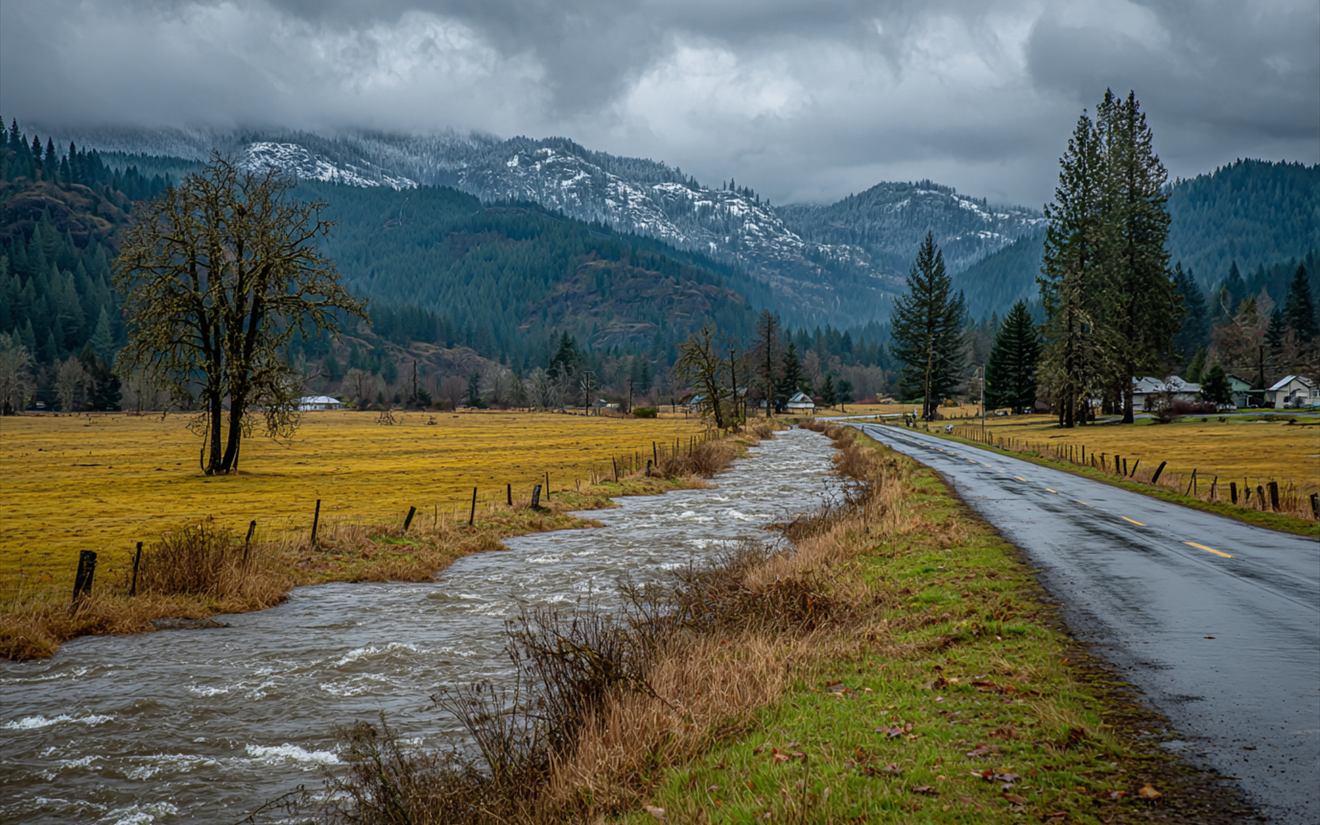
In the wettest months, outside water finds Everett houses in three ways. On low ground near the Snohomish River, a big winter flood can push water over roads and into garages and lower floors, as it did along Lowell–Snohomish River Road in December 2025. On sloping streets, heavy rain overwhelms storm drains and runs toward the lowest door. And under houses all over the city, a saturated water table pushes into basements and crawlspaces. All three are outside water, so the cleanup is more involved than after a burst pipe. More: the river, the delta and the dikes · basements and crawlspaces.
National Weather Service Seattle forecasts and flood warnings
What Cleanup Looks Like Afterward
The cleaning that follows extraction depends on the water. After a clean leak caught early, it's mostly wiping, drying and setting kept items aside to dry. After floodwater, it's shoveling out silt, washing and treating floors and walls, bagging up porous materials, and cleaning the concrete before it's dried. After anything that sat for days, the company treats it as the dirtier case. Ask the company which category it's treating your water as, because that explains what it removes.
Until Someone Gets There
- close the main water valve, or the one at the fixture if you know the source
- switch off breakers for wet rooms only if the panel is in a dry spot; if not, leave it alone
- keep kids and pets out of the wet area and away from any ceiling that sags
- get rugs, boxes and anything you can carry up off the wet floor
- take pictures of every wet room before anything moves
- stay out of floodwater in a basement or garage if it's anywhere near outlets, the panel or the water heater
- in a rental, let the landlord or manager know right away, in writing
Garages and Lower Floors
In Everett houses with an attached garage or a daylight lower floor, outside water usually arrives there first. A garage door doesn't seal against water, and a lower floor set into a slope sits below the ground outside. Once water is on that floor, it runs to the walls and through the door into the house. Boxes, stored furniture and anything on the floor soak it up. Getting it out fast, then lifting and sorting what was stored there, keeps the job from spreading upstairs.
Can I Pump Out a Flooded Basement Myself?
You can lower standing water with a pump if it's safe, but if the ground outside is still saturated, more water will keep coming in. The bigger issue is what you can't see: water in the bottom of finished walls, under carpet pad, and in the framing. A company measures those areas and dries them, which a pump alone doesn't do. Never go into a flooded basement if the water is near electrical equipment.
Is River or Street Water Covered by Insurance?
Often it isn't, under a standard homeowners policy. Water that comes over the ground from outside is usually treated as flood, which needs a separate flood policy. A pipe that breaks indoors is handled as a separate kind of loss. How your own policy reads is between you and your insurer, so note where the water came in and photograph it. More: flood maps.
Water Removal Around Everett
Bay side
North end and river
South and central
South county
- MukilteoSouth county
- Mill CreekSouth county
- LynnwoodSouth county
- EdmondsSouth county
- Mountlake TerraceSouth county
- Martha LakeSouth county
Across the river
- MarysvilleAcross the river
- Lake StevensAcross the river
- SnohomishAcross the river
- MonroeAcross the river
Water already in the walls? See restoration and mitigation.